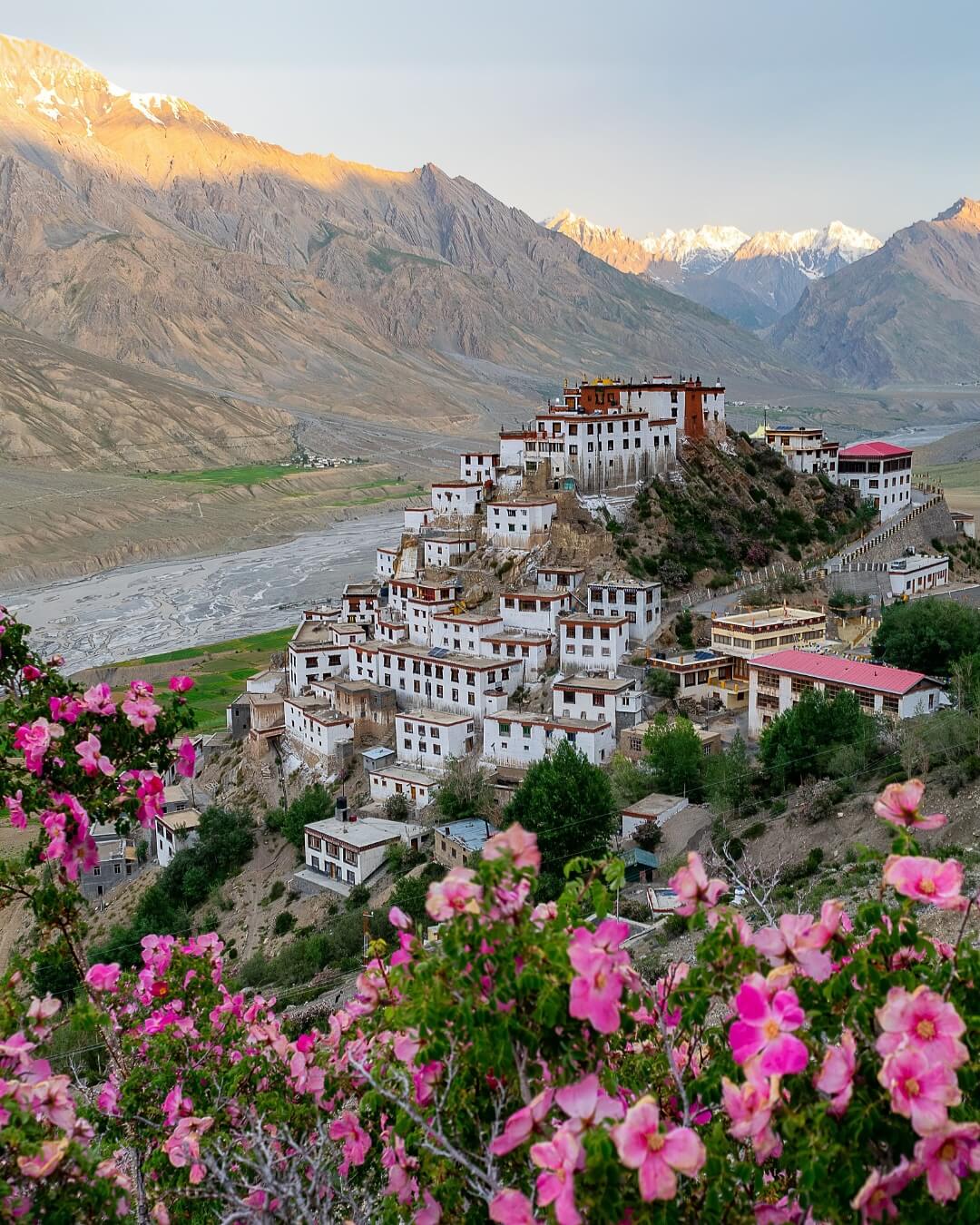
Spiti Valley, located in the cold desert region of Himachal Pradesh, is a hidden gem that offers a unique Himalayan experience. Known for its breathtaking landscapes, monasteries, and vibrant culture, Spiti Valley attracts travelers seeking adventure, tranquility, and offbeat destinations.
Unlike crowded hill stations, Spiti Valley offers pristine natural beauty with rugged mountains, vast deserts, and sparkling rivers. Whether you are into trekking, photography, or cultural exploration, this remote valley promises an unforgettable experience. Planning your trip with local insights ensures you make the most of what this paradise has to offer.
1. Key Attractions in Spiti Valley
Spiti Valley boasts a mix of natural wonders and cultural landmarks. Key attractions include Ki Monastery, Tabo Monastery, Chandratal Lake, and Pin Valley National Park.
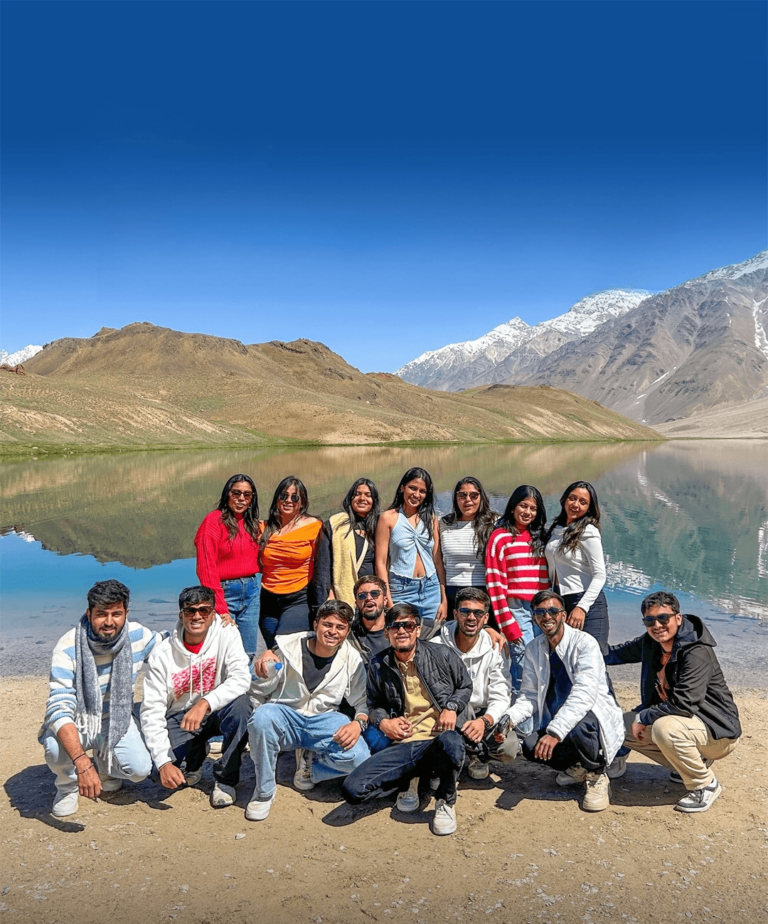
Ki Monastery, perched on a hilltop, offers panoramic views of the valley and insight into Tibetan Buddhism. Tabo Monastery, over a thousand years old, is often called the “Ajanta of the Himalayas” due to its ancient frescoes. Chandratal Lake, with its crystal-clear water, is perfect for camping and photography. Pin Valley National Park showcases Himalayan wildlife including snow leopards and ibex. Exploring these attractions gives visitors a blend of adventure, spirituality, and nature. Each site reflects Spiti’s unique culture and breathtaking landscapes, making it a must-visit for travelers seeking both serenity and adventure.
2. Adventure Activities
Spiti Valley is an adventure haven offering trekking, river rafting, camping, and mountain biking for thrill-seekers.
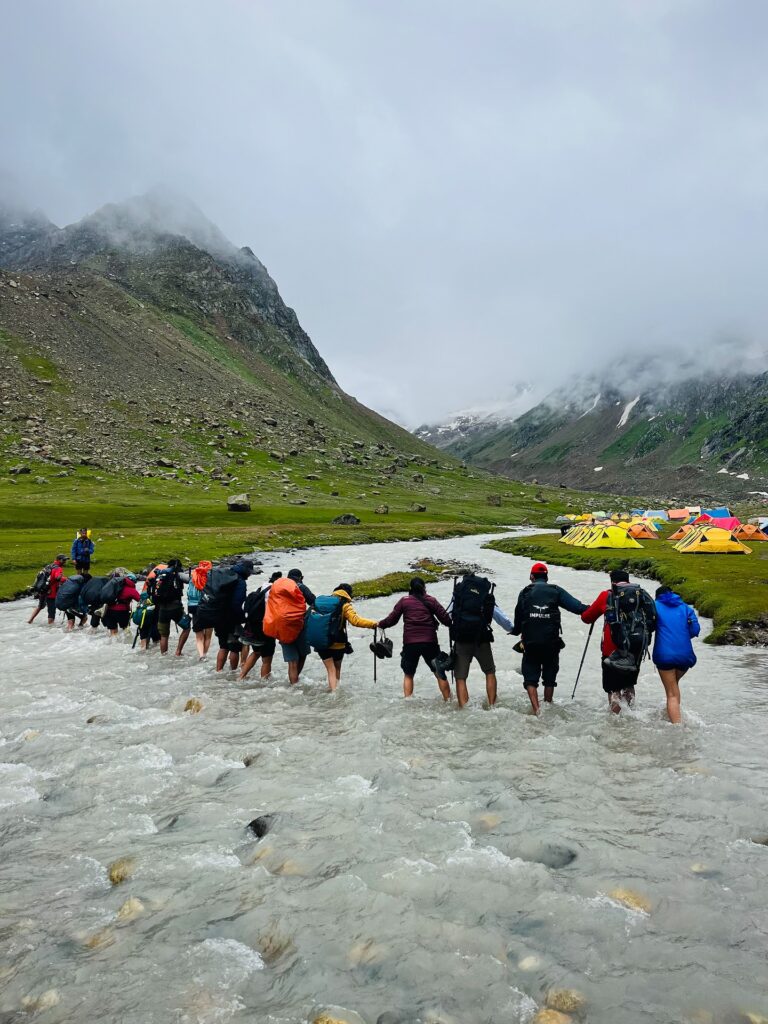
For adventure enthusiasts, Spiti Valley provides exhilarating activities. Treks to Chandratal, Kaza, and Kibber offer challenging routes amidst stunning landscapes. Mountain biking through rugged terrains is an exciting way to explore remote villages. Camping near lakes or rivers allows travelers to immerse themselves in nature. During summer, river rafting in Spiti River gives a mix of adventure and scenic beauty. These activities not only satisfy adrenaline junkies but also provide intimate experiences with the valley’s pristine environment. Proper planning, local guides, and safety measures ensure these adventures are enjoyable and safe for all travelers.
3. Cultural Experiences
Spiti Valley is rich in Tibetan Buddhist culture, traditional villages, and local festivals that offer a glimpse into authentic Himalayan life.
Visiting Spiti’s monasteries, like Key and Tabo, gives insight into ancient Buddhist rituals and architecture. Local villages such as Komic and Dhankar showcase traditional Spitian life, from homestays to farming practices. Participating in festivals like Ladarcha and Chaam allows travelers to witness vibrant local traditions and dances. Understanding the valley’s culture enhances the travel experience, fostering connections with local communities. These cultural experiences make Spiti Valley more than just a scenic destination—they transform a trip into a journey of learning, appreciation, and meaningful interactions with one of India’s most unique regions.
4. Best Time to Visit
The best time to visit Spiti Valley is between May and October when roads are accessible, and weather is pleasant.
Spiti Valley experiences harsh winters with heavy snowfall, making travel difficult from November to April. The summer months, from May to October, offer clear skies, accessible roads, and moderate temperatures ideal for sightseeing and adventure. Monsoon season is generally avoided due to landslides and rain disruptions. Planning your trip during the recommended period ensures a smooth journey, better photography opportunities, and a chance to engage in outdoor activities without weather-related interruptions. Proper timing maximizes your Spiti experience, letting you explore its hidden gems comfortably and safely.
5. Local Cuisine
Spiti Valley’s cuisine features Tibetan and Himachali dishes, including thukpa, momos, and churpe cheese.
Trying local food is an integral part of visiting Spiti. Thukpa, a hearty noodle soup, and momos, steamed or fried dumplings, are staples. Churpe cheese, made from yak milk, offers a unique taste of the region. Many homestays serve freshly prepared meals that reflect Spiti’s agricultural produce and traditional cooking methods. Sampling these dishes provides a cultural connection and a taste of the valley’s lifestyle. Food in Spiti Valley not only satisfies the palate but also gives travelers a deeper understanding of the region’s heritage and daily life.
6. Accommodation Options
Spiti Valley offers a range of accommodation from homestays and guesthouses to luxury camps near lakes and monasteries.
Accommodation in Spiti caters to diverse travelers. Homestays in villages like Kibber and Komic provide authentic local experiences and interaction with residents. Guesthouses in Kaza offer comfort and accessibility to key attractions. For those seeking luxury amidst nature, camping near Chandratal or Key Monastery allows for starry nights and breathtaking views. Booking in advance, especially during peak summer, ensures availability. Choosing the right stay enhances your Spiti journey, blending comfort with adventure and allowing you to immerse fully in the valley’s serene environment.
7. Travel Tips for Spiti Valley
Pack warm clothing, stay hydrated, acclimatize gradually, and hire local guides for a safe trip to Spiti Valley.
Traveling to high-altitude regions like Spiti requires preparation. Carry warm layers, sturdy shoes, and sun protection. Acclimatization is crucial to prevent altitude sickness, so plan rest days after reaching higher altitudes. Local guides offer valuable insights, help with navigation, and ensure safety on treks or remote routes. Cash is preferred in remote areas, as ATMs are scarce. Staying mindful of weather conditions, road safety, and local customs ensures a smooth and enjoyable journey. These travel tips help visitors make the most of their Spiti Valley adventure while minimizing risks.
Conclusion
Spiti Valley is a hidden paradise offering stunning landscapes, rich culture, and adventurous experiences. From monasteries to lakes, trekking to local cuisine, this remote Himalayan destination provides a journey like no other.
Related Blogs
Read All ›